
Why an Arel?

On yesterday’s daf, Chullin 5, a few thoughts.
(1) It is not a tiyuvta just to Rav Anan, but to Shmuel, who Rav Anan was quoting.
אֶלָּא לָאו הָכִי קָאָמַר: חוּץ מִן הַמְשׁוּמָּד לְנַסֵּךְ אֶת הַיַּיִן וּלְחַלֵּל שַׁבָּתוֹת בְּפַרְהֶסְיָא, אַלְמָא מְשׁוּמָּד לַעֲבוֹדָה זָרָה הָוֵה מְשׁוּמָּד לְכׇל הַתּוֹרָה כּוּלָּהּ, וּתְיוּבְתָּא דְּרַב עָנָן, תְּיוּבְתָּא.
Rather, is it not that this is what the mishna is saying in the last clause: Except for the transgressor to pour wine as a libation to idolatry or to desecrate Shabbat in public? Apparently, a transgressor with regard to idol worship is a transgressor with regard to the entire Torah, and this baraita is a refutation of the opinion of Rav Anan. The Gemara concludes: It is indeed a conclusive refutation.
But at the start, it was a rather lengthy statement of Shmuel on 4b:
אָמַר רַב עָנָן אָמַר שְׁמוּאֵל: יִשְׂרָאֵל מְשׁוּמָּד לַעֲבוֹדָה זָרָה מוּתָּר לֶאֱכוֹל מִשְּׁחִיטָתוֹ, שֶׁכֵּן מָצִינוּ בִּיהוֹשָׁפָט מֶלֶךְ יְהוּדָה שֶׁכֵּן מִסְּעוּדַת אַחְאָב, שֶׁנֶּאֱמַר: ״וַיִּזְבַּח לוֹ אַחְאָב צֹאן וּבָקָר לָרֹב וְלָעָם אֲשֶׁר עִמּוֹ וַיְסִיתֵהוּ לַעֲלוֹת אֶל רָמֹת גִּלְעָד״.
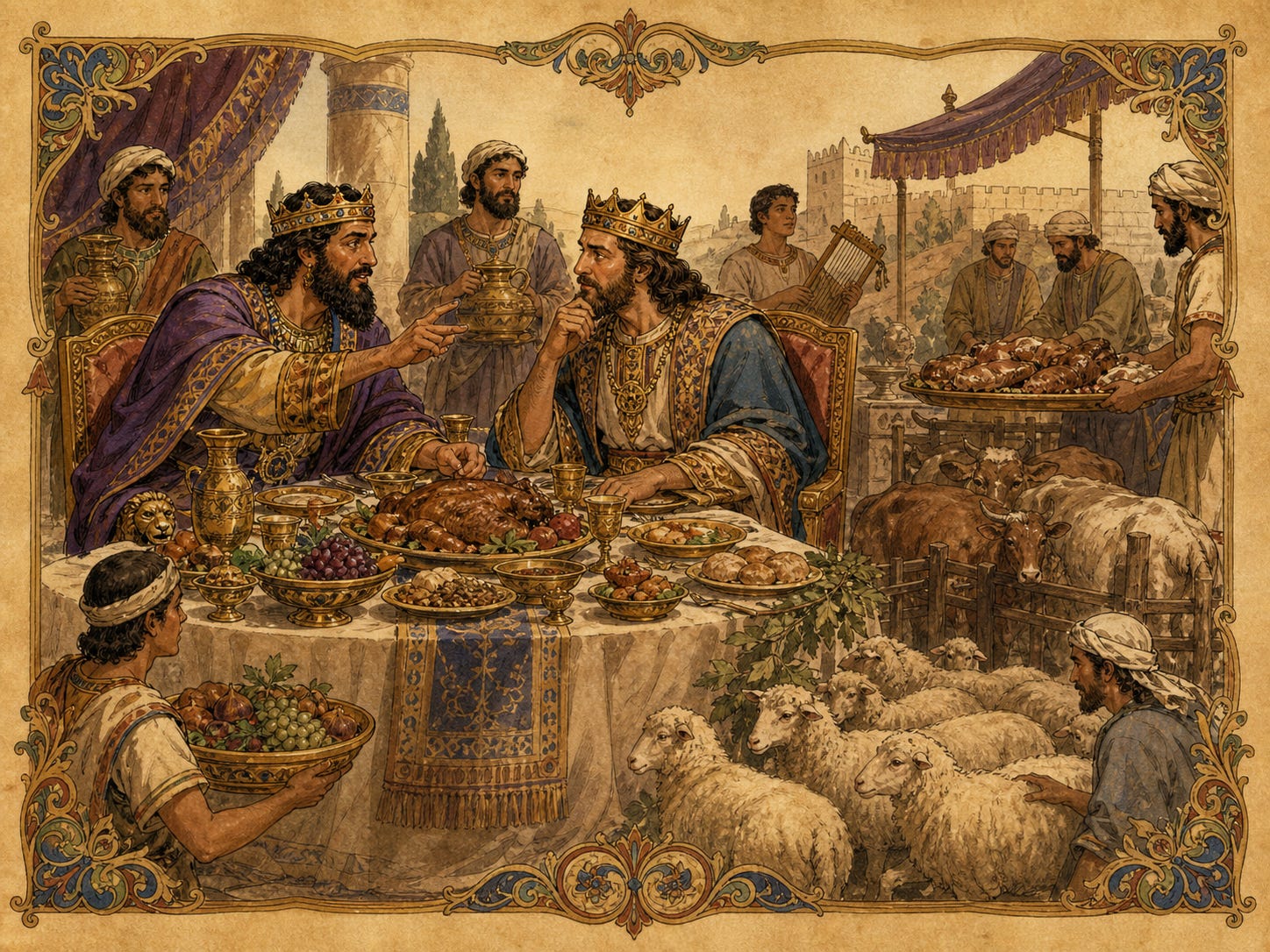
§ The Gemara analyzes the matter itself: Rav Anan says that Shmuel says: With regard to a Jew who is a transgressor with regard to idol worship, it is permitted to eat from what he slaughters, as we found with regard to Jehoshaphat, king of Judea, who partook of the feast prepared by Ahab, king of Israel, who was a transgressor with regard to idol worship, as it is stated: “And Ahab slaughtered sheep and cattle for him in abundance, and for the people that were with him, and incited him to go up with him to Ramoth Gilead” (II Chronicles 18:2).
I am pretty certain that even the prooftext is from Shmuel, as opposed to the Talmudic Narrator, because it is clearly in Hebrew. (See שֶׁכֵּן, שֶׁכֵּן, שֶׁנֶּאֱמַר.)
If it comes down to how we kvetch the first, middle, and last part of a brayta, I just wonder whether a famous first-generation Amora would be able to hold his ground against the interpretations made by the Talmudic Narrator.
(2) I like to amuse myself too much, but I smiled at the unwitting wordplay:
לֵימָא מְסַיַּיע לֵיהּ, הַכֹּל שׁוֹחֲטִין, וַאֲפִילּוּ כּוּתִי, וַאֲפִילּוּ עָרֵל, וַאֲפִילּוּ יִשְׂרָאֵל מְשׁוּמָּד. הַאי עָרֵל הֵיכִי דָמֵי? אִילֵּימָא מֵתוּ אֶחָיו מֵחֲמַת מִילָּה – הַאי יִשְׂרָאֵל מְעַלְּיָא הוּא! אֶלָּא פְּשִׁיטָא מְשׁוּמָּד לַעֲרֵלוּת, וְקָא סָבַר מְשׁוּמָּד לְדָבָר אֶחָד לָא הָוֵי מְשׁוּמָּד לְכׇל הַתּוֹרָה כּוּלָּהּ.
Let us say that the following baraita supports the opinion of Rava: Everyone slaughters, and even a Samaritan, and even an uncircumcised man, and even a Jewish transgressor. The Gemara asks: This uncircumcised man, what are the circumstances? If we say that he is an uncircumcised man whose brothers died due to circumcision and the concern is that he might suffer a similar fate, clearly he may slaughter, as he is a full-fledged Jew and not a transgressor at all. Rather, it is obvious that he is a transgressor with regard to remaining uncircumcised, as he refuses to be circumcised, and the tanna holds that he may nevertheless slaughter an animal since a transgressor concerning one matter is not a transgressor concerning the entire Torah.
Regarding the uncircumcised man, what are the circumstances?
(3) Moving on, I like to kvetch perhaps, but I wonder whether an arel is indeed intended as equivalent to a meshumad ledavar echad, which drives a lot of the analysis and reinterpretation.
If that is what was intended, then why specifically arel?
I think an easy answer may actually be identities. So of course a full Jew (including a woman). But even a Samaritan, who has not rebelled against Judaism, but is of a parallel group of converts, that never accepted certain Torah sheba’al peh. And even, within the Jews, someone who does not circumcise, and thus did not physically enter into the covenant of Avraham. They still are technically Jewish. I wonder how far reaching that is. For instance, in Greek times, some Jews underwent epispasm to stretch their foreskin back over, to better integrate into Greek society. That is a kind of rejection of Jewish identity. That seems more severe than e.g. someone who eats milk and meat together. And finally, still further along the continuum is someone who is a meshumad, not just a sinner, in terms of rejecting their Jewish identity.
That isn’t necessarily how each of these terms land within the Amoraim’s analysis or the Talmudic Narrator’s analysis.
(4) Still riffing on this, the Narrator discards the possibility that an arel means someone who medically had no other choice. Can we revisit that? Where else is an arel, including someone with no choice in the matter, invalid?
These include:
eating the korban Pesach. (Yet an arel can shecht the korban Pesach, since this is not an avodah.)
A kohen who is an arel, through no fault of his own, may not eat terumah nor, by extension, kodashim.
Similarly, such a kohen may not participate in the avodah.
We might think that he is excluded, even more than a typical zar is excluded. This tells us that the arel, like the zar, can perform shechita.